
Fabric Clips vs Pins: Which Should You Use?

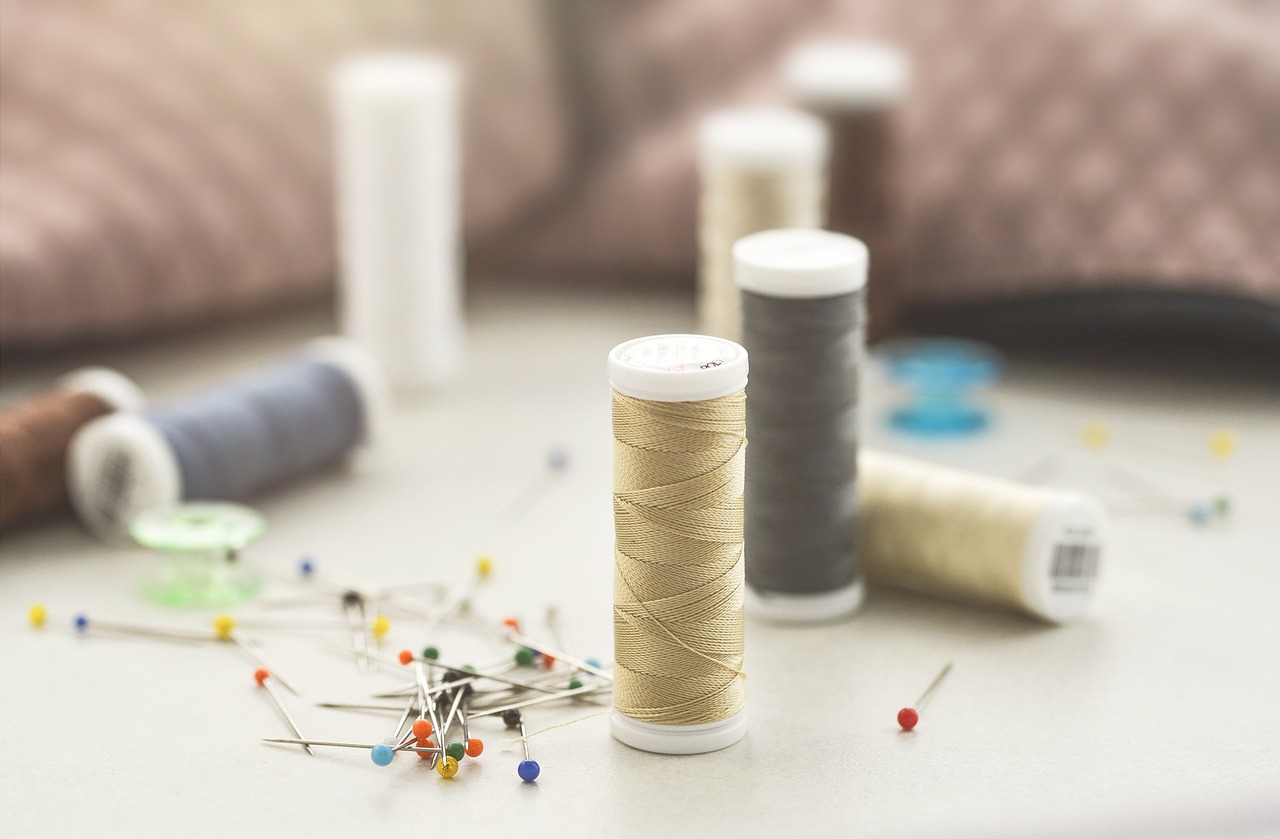
Clips and pins do the same basic job — holding fabric together before it is stitched — but they suit very different materials. Knowing when to reach for each saves fabric and frustration.
When pins work best
- Lightweight and woven fabrics — cotton, linen and quilting cotton hold a pin cleanly.
- Precision placement — a fine pin marks an exact point, useful for matching seams and easing curves.
- Flat pieces that lie neatly under the presser foot.
- Glass or pearl-head pins are easy to grip and easy to spot if one drops.
When clips are better
- Thick layers — denim, canvas, quilted layers and bag straps, where pins struggle.
- Fabrics you must not pierce — leather, vinyl, laminated cotton and oilcloth keep permanent holes.
- Knits and stretchy fabric, which pins can distort.
- Binding and hems — clips hold a wrapped edge firmly without shifting.
Quick comparison
- Speed: clips are faster to place and remove.
- Accuracy: pins win for fine, exact positioning.
- Safety: clips mean no pricked fingers and nothing lost in the carpet.
- Machine safety: remove either before it reaches the needle — never sew over them.
The practical answer
Most sewists keep both: pins for everyday woven fabric and detailed work, clips for thick, coated or stretchy materials and for binding. Browse our pins and fabric clips to cover both.